
GAME INFORMATION
Game Title: Code Vein
Platform Played: Playstation 5
Available Platforms: PS5 (Backward Compatibility) / PS4 / Xbox One / PC
Media Type: Physical Disc
Developer: Bandai Namco Studios
Publisher: Bandai Namco Entertainment
Genre: Action RPG / Soulslike
Release Year: 2019
PLAY ENVIRONMENT
Playtime: 60 hours
Completion Status: Platinumed
Difficulty: Default
Graphics Mode: Performance (60fps)
Playthrough Type: Blind Playthrough
Game Version: Latest Version
Controller Used: DualSense
Display Environment: 1080p Monitor
QUICK VERDICT
Code Vein is a flawed but memorable action RPG that takes the Soulslike structure and gives it a strong anime identity. Its combat, build variety, and Blood Code system make it far more flexible than it first appears, while its AI partner system changes the rhythm of exploration and boss fights in a way that makes the game feel distinct.
It is not as polished, mysterious, or impactful as the best games in the genre. The story has pacing problems, the AI can be unreliable, and some areas feel less carefully designed than others. However, Code Vein deserves respect for trying to do something different. It is ambitious, stylish, and full of ideas.
For players who enjoy anime games, build crafting, and challenging action RPGs, Code Vein is still worth playing.

PROS & CONS
pros
- Deep and flexible build system through Blood Codes
- Unique anime aesthetic with a strong atmosphere
- Strategic combat that rewards adaptation
- AI partner system adds accessibility and cinematic feel
cons
- Inconsistent and unreliable AI behavior
- Story pacing issues, especially in memory sequences
- Narrative lacks impact compared to genre leaders
- Co-op system is limited and impractical long-term
STORY & NARRATIVE
Code Vein takes place in a ruined post-apocalyptic world where humanity has fallen, monsters roam the land, and revenants survive by consuming blood. You play as a custom-created revenant who wakes with missing memories and becomes involved in a larger conflict surrounding blood, survival, sacrifice, and the fate of the world.
The setup is strong. The idea of revenants being trapped between humanity and monstrosity gives the world an interesting emotional weight. These characters are not simply warriors fighting through ruins. They are people who have lost parts of themselves. Their memories, their humanity, and their sense of purpose are all damaged in some way.
This gives Code Vein a lot of potential. It wants to tell a story about identity, pain, loyalty, and survival. The world is filled with people trying to keep going after everything has already collapsed. That is one of the game’s strongest ideas.
However, the storytelling does not always reach the level of its concept. The main plot is easy enough to follow, but it sometimes lacks the quiet mystery and environmental depth that makes other Soulslike worlds so powerful. Code Vein is more direct. Characters explain more, cutscenes are more frequent, and the anime presentation gives the story a more dramatic style.
This is not necessarily bad. For some players, Code Vein may actually be easier to connect with because it is less cryptic than many games in the genre. You are not forced to piece together every small detail through item descriptions or environmental clues. There is a clear cast, a clear objective, and a more traditional structure.
The issue is pacing. The memory sequences are the biggest example. These scenes are important because they reveal character backstories and world details, but they can slow the game down heavily. Instead of keeping the flow of exploration, danger, and discovery moving, the game sometimes stops to deliver emotional context in a way that feels too drawn out.
The emotional ideas are good. The execution is uneven.
By the end, Code Vein does create some meaningful moments, especially if you become attached to the characters and their struggles. It has heart. It clearly wants the player to care. But the writing does not always give every moment enough weight. Some scenes feel powerful, while others feel like they are reaching for emotion without fully earning it.
Still, I respect the story for trying. Code Vein is not just copying the Soulslike formula without thought. It wants to bring anime drama, character bonds, and emotional memory into that structure. Even when it does not fully succeed, that ambition gives the game personality.
GAMEPLAY & SYSTEMS
The core of Code Vein is methodical action RPG combat. It uses many familiar Soulslike elements: stamina management, careful dodging, enemy pattern recognition, checkpoint-style resting points, dangerous areas, boss fights, and the risk of losing resources after death.
If you have played Soulslike games before, Code Vein will feel familiar very quickly. You explore hostile environments, open shortcuts, collect resources, upgrade equipment, and learn enemy behaviour through trial and error. Death is part of the learning process.
What makes Code Vein interesting is how flexible it becomes through its Blood Code system.
Blood Codes act like classes, but they are not fixed. Instead of choosing one class at the start and being locked into that identity, you can change Blood Codes throughout the game. Each one offers different stats, abilities, gifts, and combat options. Some focus on strength, others on speed, magic, support, survivability, or hybrid playstyles.
This system is the strongest part of Code Vein.
It encourages experimentation in a way that feels generous. You are not punished heavily for wanting to try something new. If one boss is giving you trouble, you can adjust your Blood Code, change your weapon, equip different gifts, and approach the fight from another angle. This gives the game a strategic layer beyond simple reaction speed.
The combat is not only about dodging and attacking. It is also about preparation.
This is where Code Vein feels rewarding. When a build finally comes together, the game becomes much more satisfying. You might discover a setup that gives you stronger damage, better survivability, faster movement, or more useful support abilities. The feeling of adapting your strategy and overcoming a difficult encounter is one of the game’s best qualities.
The weapon variety also supports this. There are heavier weapons, faster blades, bayonet-style weapons, and different blood veils that affect your abilities and stats. Not every option feels equally strong, but there is enough variety to make experimentation worthwhile.
Combat can feel slightly less refined than the best action RPGs in the genre. Some hitboxes feel strange, some enemy attacks can feel harsh, and certain encounters rely heavily on pressure. Code Vein is at its best when it gives you room to read, adapt, and execute a plan. It is weaker when the screen becomes too chaotic or when the AI partner behaves unpredictably.
Even so, the combat remains enjoyable across a full playthrough. It has enough depth to keep you thinking, and enough challenge to make victory feel earned.
One of Code Vein’s most unique features is the AI partner system. Throughout the game, you can bring a companion with you. These partners fight alongside you, heal you, support you, and help draw enemy attention.
This changes the feel of the game quite a lot.
In many Soulslike games, loneliness is part of the atmosphere. You are usually alone in a dangerous world, and every enemy encounter carries weight because all pressure is on you. Code Vein feels different. Having a partner beside you makes the world feel less isolating and more cinematic. It creates the feeling of travelling through ruins with another person who has your back.
This fits the anime identity well. Code Vein is not trying to create the same lonely silence as Dark Souls. It is more focused on bonds, teamwork, and character relationships. The partner system supports that theme.
From a gameplay perspective, the partner system also makes the game more accessible. If you are new to Soulslikes, having an AI companion can make the experience less punishing. They can revive you, help with enemies, and make exploration more manageable.
However, the system is not perfect.
The AI can be inconsistent. Sometimes your partner feels incredibly useful, saving you at the last moment or helping you survive a difficult fight. Other times, they make poor decisions, get stuck, fail to respond properly, or die when you need them most. This can be frustrating because the game often feels balanced around the assumption that you have support.
This creates an unusual problem. Playing with a partner can make some parts feel too easy, but playing without one can make other parts feel awkward or overly punishing. The balance sits in a strange middle ground.
Even with these issues, I think the partner system is an important part of Code Vein’s identity. It gives the game a different emotional rhythm. It may not be perfectly executed, but it helps Code Vein stand apart from other Soulslike titles.
WORLD DESIGN
Code Vein’s world is dark, ruined, and filled with gothic and post-apocalyptic imagery. The game mixes broken city environments, underground spaces, cathedral-like structures, military areas, and surreal landscapes. At its best, the world feels stylish and atmospheric.
The level design follows a familiar structure. You move through dangerous areas, unlock shortcuts, find hidden items, return to checkpoints, and gradually learn the layout. This gives exploration a satisfying sense of progress. Opening a shortcut after surviving a difficult section still feels good, and the game understands the basic rhythm that makes Soulslike level design work.
Some areas are stronger than others. There are zones that feel memorable and visually distinct, while others feel more repetitive or less carefully paced. The game sometimes relies on confusing layouts, similar-looking corridors, or enemy placement that feels more irritating than clever.
The Cathedral of the Sacred Blood is probably one of the most memorable examples of this. It has a strong visual identity and feels unlike anything else in the game, but it can also become frustrating due to its maze-like structure and repeated architecture. It is impressive, but also tiring.
This sums up a lot of Code Vein’s world design. It has ambition and style, but not always the cleanest execution.
The world also struggles slightly with tone. The ruined environments are dark and desperate, but the character designs can be very dramatic and stylised. For some players, this contrast will be part of the appeal. For others, it may make the world feel less grounded.
Personally, I think the contrast gives Code Vein its own flavour. It does not feel as ancient, quiet, or oppressive as Dark Souls. It feels more like an anime interpretation of a broken world. That gives it a unique identity, even if it sometimes clashes with the darker themes.
VISUAL DESIGN
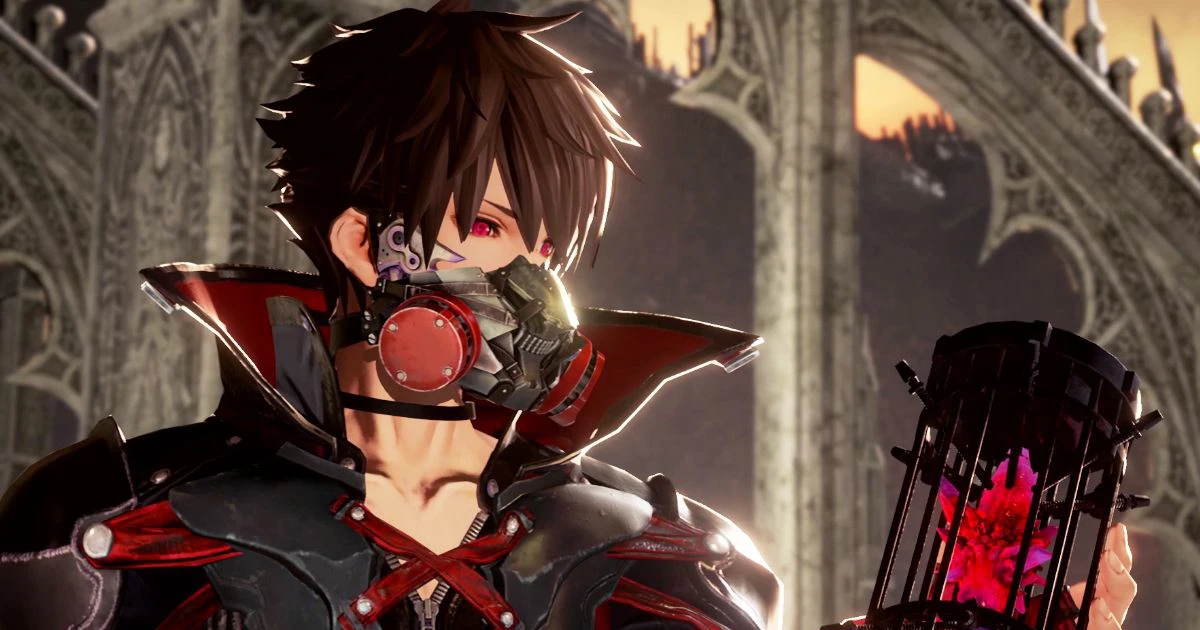
Visually, Code Vein is one of the more recognisable anime-style action RPGs of its generation. The character creator, costumes, hair designs, weapons, and gothic fashion all give the game a strong sense of style.
The character designs are bold. They are not subtle, but they are memorable. This helps the game stand out. Many Soulslike games aim for decay, realism, or dark fantasy horror. Code Vein chooses anime gothic sci-fi instead, and that choice gives it immediate personality.
The character creator is also a major strength. It allows players to make a revenant that feels personal. For an RPG, that matters. When you spend dozens of hours with a character, it helps to feel some attachment to their appearance and identity.
The environments are more mixed. Some locations look excellent, especially when the art direction leans fully into gothic ruins or strange post-apocalyptic beauty. Other areas look plainer and less detailed. The game does not always maintain the same visual quality throughout.
Still, the overall art direction is strong enough to carry the experience. Code Vein knows what it wants to look like. It may not always be technically impressive, but it has identity, and identity matters.
SOUND & MUSIC
The music in Code Vein supports the atmosphere well, especially during boss fights and emotional scenes. It uses dramatic orchestral and vocal elements that fit the anime tone. The soundtrack gives the game scale and emotion, even if not every track stays with you after finishing.
Boss music is where the soundtrack works best. It helps battles feel more intense and cinematic. Since Code Vein often leans into drama, the music supports that style well.
The sound design is solid but not exceptional. Weapons, attacks, enemy sounds, and environmental audio all do their job. Nothing felt especially poor, but it also does not reach the level where every sound effect feels iconic or deeply satisfying.
Voice acting will likely depend on personal taste. The anime style is clear, and players who enjoy that tone will probably connect with it more easily. The performances support the story, though some scenes may feel melodramatic depending on your preference.
PERFORMANCE
Played on PlayStation 5 through backward compatibility, Code Vein runs smoothly overall. The 60fps performance makes combat feel responsive, which is important for a game built around timing, dodging, and stamina management.
Across my playthrough, I did not experience major technical issues. The game felt stable and playable. Load times, frame rate, and general responsiveness were all comfortable enough that performance did not damage the experience.
Since Code Vein was originally released for PS4, it does not feel like a modern PS5 title visually. However, the smoothness of playing through backward compatibility helps the game hold up better today.
For players who care more about stable gameplay than cutting-edge visuals, Code Vein performs well enough.
DIFFICULTY
Difficulty Rating
6 / 10
It is challenging, but not brutally difficult for most of the game. The difficulty depends heavily on your build, your partner, and how willing you are to adapt. Some bosses can feel very tough at first, but the Blood Code system gives you many ways to adjust your approach.
This is important. Code Vein rewards flexibility more than stubbornness.
If you keep using the same setup against every boss, you may struggle. But if you experiment with gifts, weapons, Blood Codes, and partner choices, many encounters become much more manageable.
The AI partner also affects difficulty heavily. With a strong partner, some fights become much easier. Without a partner, the game can feel more demanding and sometimes less balanced. This means the difficulty is not always consistent.
For newcomers to Soulslikes, Code Vein is a reasonable entry point. It still teaches patience, stamina management, and boss pattern recognition, but it offers more support than many other games in the genre.
For experienced Soulslike players, it may feel easier overall, though some bosses and late-game encounters can still provide a real challenge.
REPLAY VALUE
Code Vein has strong replay value because of its build system. The Blood Codes, gifts, weapons, and partner choices create many ways to replay the game differently.
You can focus on heavy weapons, fast dodging, magic-style gifts, support abilities, bayonet combat, or hybrid builds. This gives the game more depth than it first appears to have.
The multiple endings also give players a reason to return, especially completion-focused players. Since I platinumed the game, I spent enough time with its systems to appreciate how much room there is for experimentation.
That said, replay value depends on how much you enjoy the core combat and world. If the story pacing or level design frustrates you, repeating the game may feel less appealing. But if you enjoy build crafting, Code Vein gives you plenty to explore.
For players who like mastering systems, testing setups, and finding new strategies, Code Vein has lasting value.
RECOMMENDED FOR
Recommended for:
- Soulslike fans looking for a fresh twist
- Players who enjoy build crafting and experimentation
- Fans of anime-style games
- Physical game collecting
- Post-apocalyptic worlds
- Replayable RPG systems
Not recommended for:
- Anime aesthetics
- Uneven story pacing
- Occasional level design frustration
- Less polished Soulslike combat
PERSONAL EXPERIENCE
As someone who enjoys Soulslikes and challenging action RPGs, Code Vein was a very interesting experience. It did not reach the level of my favourite games in the genre, but it stayed in my mind because of how different it felt.
The Blood Code system genuinely impressed me. I liked being able to change my approach, test new builds, and adapt when something was not working. That kind of flexibility made the game feel more open than a simple Soulslike clone.
There were also moments where the partner system made the journey feel more cinematic. Travelling through a ruined world with another character beside me gave the game a different emotional feeling. It was less lonely, but still dangerous.
At the same time, the AI frustrations were real. There were moments where the game felt held back by its own systems. Some fights became annoying because I could not fully trust my partner, while other fights became easier than expected because the partner support was so strong.
The story also left me mixed. I liked the world and the ideas behind it, but I wanted more emotional impact from certain moments. The game clearly had heart, but it did not always deliver that heart in the strongest way.
Even with those problems, I respect Code Vein. It tried to be more than just another Soulslike. It had its own style, its own systems, and its own identity. That matters.
FINAL VERDICT
Code Vein is a flawed but ambitious action RPG that blends Soulslike combat with anime style, flexible build systems, and a unique partner mechanic. It does not always succeed. The AI can be unreliable, the story pacing can drag, and some areas feel less polished than others.
However, the game’s strengths are real. The Blood Code system is excellent, the atmosphere is memorable, and the combat becomes rewarding when you start experimenting properly. It is a game built around adaptation, and that makes it satisfying for players who enjoy learning systems.
Code Vein may not stand beside the strongest Soulslike games in terms of world design, mystery, or polish, but it does stand apart through identity. It is stylish, strange, sometimes frustrating, and often rewarding.
For anime fans, Soulslike players, and anyone who enjoys deep build customisation, Code Vein is still worth playing.