
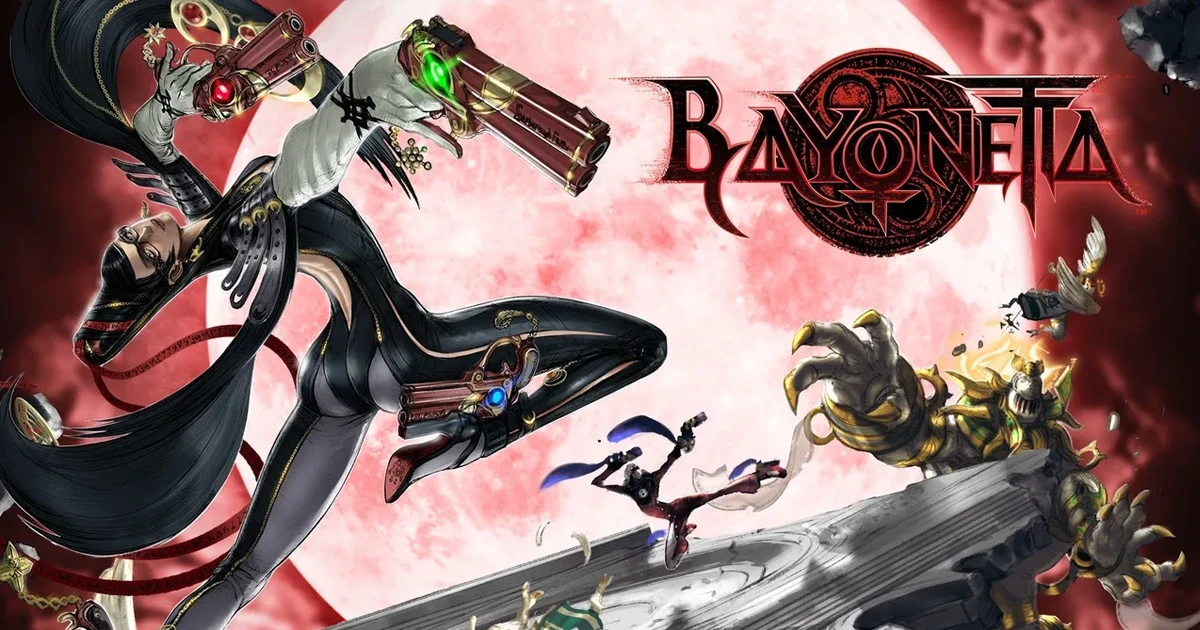
GAME INFORMATION
Game Title: Bayonetta
Platform Played:PlayStation 4
Available Platforms:PlayStation 3, Xbox 360, Wii U, Nintendo Switch, PlayStation 4, Xbox One, and PC
Media Type: Physical
Developer:PlatinumGames
Publisher:SEGA
Genre:Action / Hack n Slash
Release Year:2009 in Japan
PLAY ENVIRONMENT
Playtime:15 hours
Completion Status:Completed
Difficulty:Hard
Graphics Mode:Default
Playthrough Type:Standard playthrough
Game Version: Latest Version
Controller Used:DualShock 4
Display Environment:1080p Monitor
QUICK VERDICT
Bayonetta is one of the finest action games ever made. It is stylish, strange, confident, and mechanically brilliant. Its story can be messy, and the PlayStation 3 version has some performance issues, but the core combat is so strong that these problems never come close to ruining the experience.
This is a game about movement, timing, confidence, and spectacle. It understands what makes action games exciting: the feeling of being in control, the joy of mastering a system, and the thrill of watching something impossible happen on screen.
Bayonetta is not subtle, but it is carefully designed. Beneath the extravagant presentation is a deep, rewarding, and beautifully structured combat system that still feels fresh years later.

PROS & CONS
pros
- One of the best combat systems in the action genre
- Bayonetta is an unforgettable main character
- Witch Time is simple, stylish, and deeply satisfying
- Huge variety of weapons and combo options
- Boss battles are absurd, memorable, and exciting
- Strong sense of identity and visual confidence
cons
- The style may be too exaggerated for some players
- A few pacing moments interrupt the flow of combat
STORY & NARRATIVE
Bayonetta tells a story about light, darkness, memory, and balance. Long ago, two clans watched over the world: the Lumen Sages and the Umbra Witches. The Lumen were connected to the power of light and Paradiso, while the Umbra drew from darkness and Inferno. Rather than presenting one side as purely good and the other as purely evil, the game frames both as necessary parts of the world.
This is one of the more interesting parts of Bayonetta’s setting. The Umbra Witches are not simply villains. They represent darkness, but darkness here does not mean corruption. It means contrast, balance, mystery, and power. Bayonetta herself fights angels throughout the game, but the game never makes her feel evil. She is not a hero in the traditional sense, but she is not a monster either. She is someone moving through the world with purpose.
The story follows Bayonetta as she tries to uncover her lost past while being hunted by angelic forces. There are conspiracies, forgotten memories, ancient powers, and strange characters who move in and out of the plot. The world is fascinating, but the actual storytelling is not always clean. Some motivations are unclear, certain events are hard to follow, and the plot often seems more interested in style than explanation.
For some players, this may be frustrating. Bayonetta is not a game where every story beat lands perfectly. It does not have the clear emotional structure of a story-focused RPG or cinematic adventure game. Instead, it uses story as a stage. The narrative gives Bayonetta a reason to move from one impossible situation to the next, while the tone, characters, and mythology create a strong atmosphere around the action.
The best part of the narrative is Bayonetta herself. She is one of the most memorable female characters in action games. Her design and sexuality are impossible to ignore, and the game often places them directly in the spotlight. But what makes her work is that she never feels weak, uncertain, or controlled by the world around her. She is calm, playful, powerful, and completely confident.
Bayonetta owns every scene she appears in. She speaks with elegance, fights with precision, and treats impossible enemies as if they are minor inconveniences. She is stylish not only because of how she looks, but because of how she carries herself. She has the presence of someone who knows exactly who she is.
The result is a story that may not always be perfectly told, but still creates a world worth experiencing. Bayonetta’s mythology is strange, dramatic, and full of personality. Even when the plot becomes confusing, the game’s identity remains strong.
GAMEPLAY & SYSTEMS
Bayonetta’s combat is the heart of the game, and it is outstanding.
At a basic level, the controls are easy to understand. Bayonetta can punch, kick, shoot, jump, and dodge. These simple actions form the foundation of a much deeper system. Like the best action games, Bayonetta is approachable at first, but the more you play, the more you realise how much is hidden beneath the surface.
The dodge is the most important tool in the game. By dodging just before an enemy attack lands, Bayonetta activates Witch Time. During Witch Time, enemies slow down while Bayonetta continues moving at full speed. This creates a beautiful rhythm. You watch the enemy carefully, dodge at the last moment, then punish them while time bends in your favour.
Witch Time is one of the smartest systems in the game because it rewards patience instead of panic. It teaches the player to observe, wait, and respond. In that sense, Bayonetta has something in common with many great Japanese action games. It is not only about attacking. It is about timing, discipline, and control.
The offensive side is just as strong. Bayonetta can equip weapons to both her hands and feet, which gives the combat a unique identity. Her starting weapons, Scarborough Fair, are four pistols attached to her hands and heels. This alone gives her movement and attacks a visual style unlike most action games. Later, the game introduces more weapons, including a katana, claws, shotguns, and even ice skates.
The weapon system is excellent because each combination changes how Bayonetta feels. Equipping a blade to her hands and guns to her feet creates a different rhythm from using claws or heavy weapons. The game constantly invites experimentation. It gives players space to find their own style without making the system feel impossible to understand.
The combo system is also carefully designed. There are many possible strings, but many inputs carry across different weapons. This means that once you learn the basic rhythm of the game, you can try new equipment without feeling completely lost. It respects the player’s time while still offering depth for those who want to master it.
There is also a strong scoring element. Each encounter rewards performance based on speed, damage taken, combo variety, and execution. This makes replaying chapters meaningful. A first playthrough can be about survival and enjoyment, but later runs become about refinement. You start noticing where you dropped a combo, where you dodged too early, or where you could have used Witch Time more effectively.
Bayonetta also includes Torture Attacks, which can be used when the magic gauge fills. These are powerful, theatrical attacks where Bayonetta summons brutal devices to punish enemies. They are exaggerated and ridiculous, but they fit the world perfectly. They also add another layer to combat, since players must decide when to spend magic and when to save it.
The game’s shop, The Gates of Hell, is another memorable part of the experience. Run by Rodin, a demonic bartender and weapons dealer, it allows players to buy items, accessories, techniques, and new combat options. This gives halos, the game’s currency, a clear purpose. Earning more halos is not just about buying healing items. It is about expanding Bayonetta’s toolset and becoming more expressive in combat.
Boss battles are another major highlight. Bayonetta fights both human-sized rivals and enormous divine beings known as the Cardinal Virtues. These fights are absurd in the best way. They are huge, dramatic, and full of impossible images. The game understands spectacle, but unlike many spectacle-heavy games, it still keeps the player involved through timing, dodging, and attacking.
The Climax finishers are especially memorable. Bayonetta summons demons from Inferno to destroy her enemies in grand, theatrical fashion. These moments are loud, strange, and unforgettable. They show PlatinumGames at its most confident.
What makes Bayonetta special is that the spectacle never fully replaces the mechanics. The game looks wild, but it plays with precision. Every dodge, combo, weapon choice, and attack has purpose. It is not chaos. It is controlled chaos.
WORLD DESIGN
Bayonetta’s world is strange, gothic, religious, and dreamlike. It moves between old European-style cities, angelic realms, broken structures, and surreal battlegrounds. The world is not designed like an open exploration game. It is chapter-based, focused, and built around combat encounters.
The environments mostly serve the action, but they also help create atmosphere. There is a strong contrast between sacred imagery and demonic power. Angels are not soft or gentle here. They are monstrous, golden, and often unsettling. This gives the game a unique visual identity. It takes familiar religious imagery and turns it into something theatrical and strange.
The level design is not the strongest part of the game. Exploration is fairly limited, and some sections between battles are less exciting than the combat itself. However, the world succeeds as a stage. It gives Bayonetta space to perform, and that is clearly the priority.
There are also hidden challenges and optional encounters that encourage replay. Players who want to improve their scores, find secrets, and master chapters will have plenty to return to. Bayonetta is not a game about wandering slowly through a world. It is a game about moving from one performance to the next.
VISUAL DESIGN
Bayonetta has a powerful visual identity. It is elegant, excessive, gothic, and playful all at once. The character designs, enemy designs, weapon animations, and finishing moves all feel instantly recognisable.
Bayonetta herself is the centre of this identity. Her design is exaggerated, but it is also precise. Her movement is graceful, her attacks are theatrical, and her animations give her a strong sense of personality. She does not simply fight. She performs.
The angel designs are also excellent. They mix beauty and horror in a way that makes them feel different from standard action game enemies. Their golden armour, distorted faces, and divine presentation make them feel both holy and threatening. This contrast is one of the game’s strongest artistic choices.
However, the presentation is not perfect. Some cutscenes use a filmstrip style, where character models appear almost frozen while the camera moves around them. This gives the scenes a sense of motion, but they still feel less impressive than the fully animated sequences. It is not terrible, and it fits the game better than plain static dialogue boxes, but it does make some scenes feel cheaper than others.
The PlayStation 3 version also has visual issues such as screen tearing and slowdown. These problems do not destroy the game, but they are noticeable. For a game built around speed and precision, performance issues can be distracting.
Even so, Bayonetta’s style is strong enough to survive these flaws. The game has a clear artistic soul. It knows what it wants to be and commits fully.
SOUND & MUSIC
The music in Bayonetta is lively, stylish, and unusual. Instead of relying only on heavy rock or orchestral action music, the soundtrack often uses jazz, pop, and playful arrangements. This gives the game a lighter, more elegant energy than many other action titles.
The battle themes are catchy and energetic, helping combat feel like a performance rather than a simple fight. The music matches Bayonetta’s personality well. It is confident, glamorous, and slightly ridiculous, but always controlled.
Sound effects are also satisfying. Gunfire, blade strikes, dodges, enemy impacts, and Torture Attacks all have strong feedback. This matters a lot in an action game. Every hit needs to feel clear, and Bayonetta usually succeeds.
The voice acting adds a lot to the game’s charm. Bayonetta’s voice performance is especially important. Her calm, teasing delivery helps define the character. She rarely sounds afraid, even when facing giant divine monsters. That confidence is central to the game’s tone.
PERFORMANCE
The biggest weakness of the version played is performance. The PlayStation 3 release is known for being weaker than other versions, and that shows through screen tearing, loading issues, and occasional slowdown. During exploration, the screen tearing can be distracting. During intense combat, slowdown can sometimes interrupt the smoothness of the action.
These issues are disappointing because Bayonetta is a game built on precision. Timing matters. Dodging matters. Reading enemy attacks matters. When performance drops, it can slightly weaken the flow.
That said, the game remains highly playable. The combat is so strong, and the design is so enjoyable, that the technical flaws do not ruin the experience. They are annoyances rather than deal-breakers.
For players who have access to newer versions, those may offer a smoother way to experience the game. But even on PlayStation 3, Bayonetta’s quality is clear.
DIFFICULTY
Difficulty Rating
6 / 10
Bayonetta can be enjoyed casually, but it becomes much more rewarding when played with care. Players can get through many fights by using simple combos and healing items, but the game clearly wants you to learn its systems.
The main challenge comes from timing. Dodging too early will not activate Witch Time. Dodging too late will get you hit. Enemy patterns must be watched carefully, especially during tougher encounters and boss fights.
The scoring system also adds another layer of difficulty. Simply finishing a chapter is one thing. Finishing it with a strong rank is another. This is where Bayonetta reveals its true depth. It encourages the player to return, improve, and refine.
The difficulty feels fair most of the time. When you fail, it usually feels like there was something you could have done better. This is important. Bayonetta rewards practice rather than luck.
REPLAY VALUE
Bayonetta has excellent replay value. The first playthrough is only the beginning. After finishing the game, players can return to improve scores, unlock items, try new weapon combinations, find secrets, and push themselves toward better performance.
This is where the game becomes especially strong for action fans. It is not just about seeing the ending. It is about learning the system. The more you understand Bayonetta, the more enjoyable it becomes.
Replay value also comes from the game’s energy. Some games are good but exhausting. Bayonetta is intense, but it is also fun to return to because its combat feels so alive. Even repeated fights can feel fresh when you change weapons or approach them differently.
For players who enjoy mastery, Bayonetta is one of the best games in the genre.
RECOMMENDED FOR
Recommended for:
- Fans of deep combat systems and stylish action
- Players who enjoy Devil May Cry, Ninja Gaiden, God of War, or character action games
- Players who enjoy replaying levels to improve scores
- Anyone interested in PlatinumGames or Hideki Kamiya’s work
- Fans of Japanese action games with strong mechanical depth
Not recommended for:
- Players who prefer slower, simpler combat systems
- Players who do not enjoy replaying content for mastery
- Players who dislike exaggerated sexualised presentation
- Players who want a clear and grounded story
PERSONAL EXPERIENCE
Bayonetta reminded me why action games can be so special. It is not only about spectacle, although the spectacle is incredible. It is about the feeling of control. The feeling of dodging at the last second, entering Witch Time, and turning danger into opportunity.
That rhythm is what makes the game memorable. Bayonetta does not simply give the player power. It asks the player to earn it through timing, patience, and confidence. When the combat clicks, it becomes one of the most satisfying systems in gaming.
Bayonetta herself is also a huge part of why the game works. She is stylish, calm, and completely sure of herself. Many games have powerful protagonists, but few feel as composed as Bayonetta. She gives the whole game its identity.
The story did not always work for me. It can be messy, and some scenes are harder to follow than they should be. But I still enjoyed the world, the mythology, and the strange balance between angels, witches, demons, and forgotten history.
The final sections of the game are especially strong. Without spoiling them, the ending delivers the kind of absurd, creative spectacle that only games can really achieve. It is the kind of finale that reminds you how imaginative this medium can be when developers are willing to take risks.
Even with its flaws, Bayonetta left a strong impression. It is not a quiet game, but beneath all the noise is a level of craft that deserves respect.
FINAL VERDICT
Bayonetta is a masterpiece of action game design. It is stylish, confident, strange, and mechanically brilliant. Its story may be uneven, and the PlayStation 3 version has technical issues, but the core experience remains exceptional.
The combat is the main reason to play. Witch Time is one of the best dodge systems in the genre, the weapon variety is excellent, and the combo system offers a huge amount of depth without becoming impossible to understand. Every fight feels like an opportunity to improve.
Bayonetta herself is also one of gaming’s most unforgettable protagonists. She is powerful, elegant, playful, and completely in control. The game’s style may not be for everyone, but it is impossible to deny its identity.
For fans of Japanese action games, Bayonetta is essential. It stands proudly beside Devil May Cry and Ninja Gaiden, not as a copy, but as its own beautiful and outrageous work. It understands the joy of mastery, the beauty of timing, and the excitement of seeing a game commit fully to its own vision.
Bayonetta is not perfect, but it is unforgettable. It is the kind of game that reminds you how cool video games can be.